Your Ultimate Guide to Men's Training Shoes: Find Your Perfect Fit
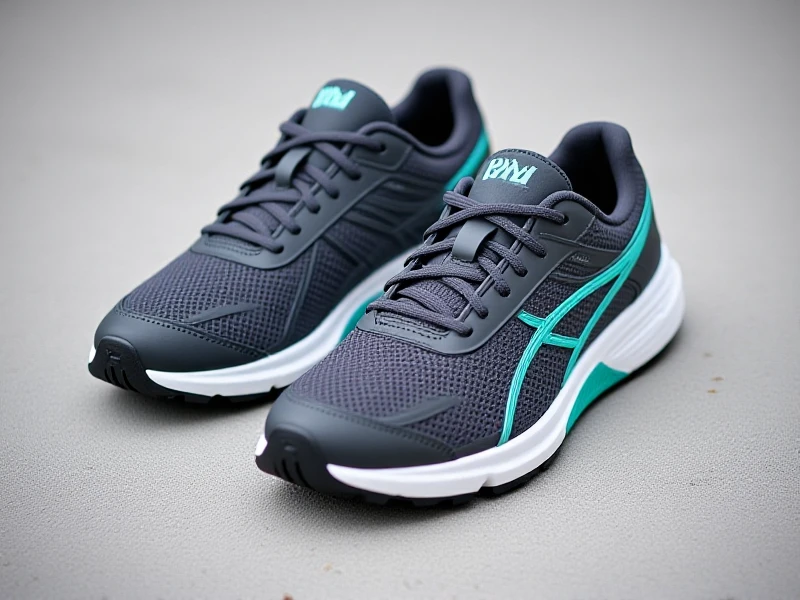
Choosing the right men's training shoes isn't just about style; it's a crucial investment in performance, comfort, and injury prevention. Whether you're hitting the weights, dominating HIIT classes, or combining cardio and strength work, a versatile shoe designed for multi-directional movement is essential. Let’s break down why specialized training shoes matter and how to find your ideal pair.
Why Not Just Running Shoes? Running shoes prioritize straight-line motion with heavy heel cushioning. Training requires lateral cuts, jumps, weightlifting stability, and agility. Worn-out running shoes, or entirely the wrong type, increase your risk of ankle rolls or knee strain during dynamic movements. Men's training shoes are engineered for that multidirectional demand, offering a lower-to-the-ground feel, flatter soles for stability under weight, and strategic cushioning that doesn't compromise support.
Key Features to Look For:
- Stability & Lockdown: Opt for shoes with a secure midfoot wrap or TPU cage. This prevents excessive foot sliding inside the shoe during side-to-side drills or jumps, maximizing control and preventing blisters.
- Ground Feel & Responsiveness: A low stack height (height from foot to ground) offers better proprioception and stability for lifting. Responsive cushioning across the forefoot provides comfort for jumps without excessive squish.
- Flexible & Durable Upper: Materials must be breathable yet strong enough to withstand friction from rope climbs or sled pushes. Mesh uppers with strategic reinforcements often hit the sweet spot.
- Multi-Surface Traction: The outsole pattern needs effective grip on gym floors, turf, and varied surfaces. Look for patterns offering 360-degree grip without being so sticky they hinder planned rotations.
- Weight Considerations: Lighter shoes boost agility for plyometrics, while slightly heavier builds might offer more durability and stability for heavy lifting. Choose based on your primary training focus.
Choosing Your Perfect Pair:
- Assess Your Main Activities: Primarily lifting heavy? Prioritize a wide, stable base and minimal heel-to-toe drop (0-6mm). More focused on CrossFit, HIIT, or agility? Seek a balanced blend of cushioning, flexibility, and responsiveness.
- Know Your Feet: Flat feet might need more arch support, while high arches often desire better cushioning. Consider your typical width needs. Always measure your feet in the afternoon!
- Fit is Non-Negotiable: Aim for a thumb's width of space at the toe. Heel should be snug without slipping. Walk around, lunge, and simulate movements to test stability.
Beyond the Big Names: While brands like Nike Metcon, Reebok Nano, NOBULL Trainers, and Under Armour Tribase Reign are popular powerhouses, don't overlook excellent models from Saucony (Haven), Puma (FUSE), or ASICS (GEL-Fit or GEL-SONOMA). Consider Brooks' latest training-focused styles too.
Invest Wisely: Quality men's training shoes are built for the rigors of the gym. Replacing them every 6-12 months, depending on usage, ensures optimal support and injury protection. Ultimately, the best pair is the one that disappears on your feet, letting you crush every workout safely and effectively. Find yours and own your training ground!